6 hr
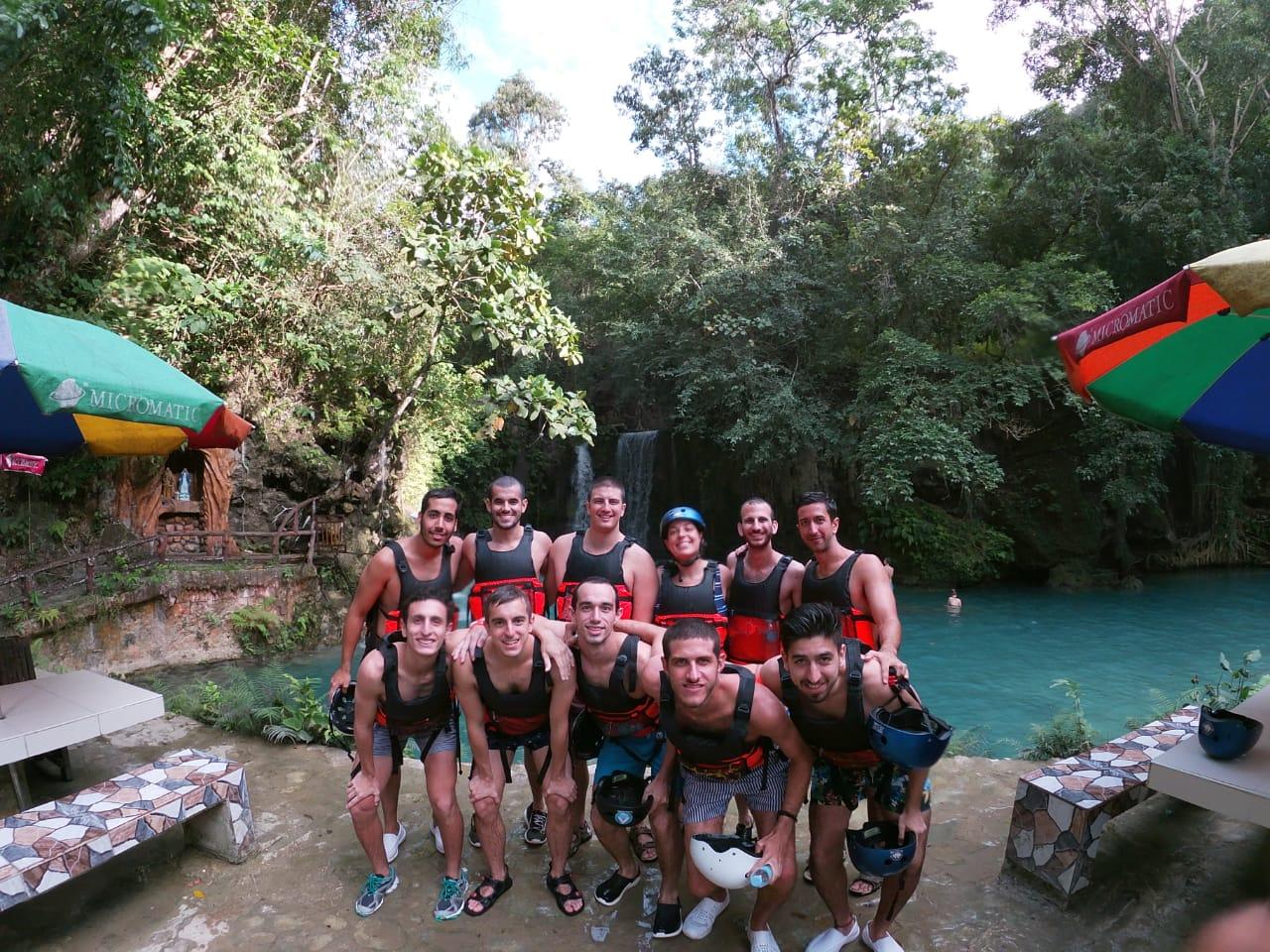
Kawasan Falls Canyoneering Adventure with Local Lunch
Navigate rapids, leap from waterfalls, and swing through canyon terrain on this thrilling aquatic journey.
Reserve
Hand-picked by our editors — only the best 5 diving experiences from 47 reviewed.
Verified partners for every tour, free cancellation where available, and instant confirmation on every booking.
6 hr
Navigate rapids, leap from waterfalls, and swing through canyon terrain on this thrilling aquatic journey.
Reserve
16 hr
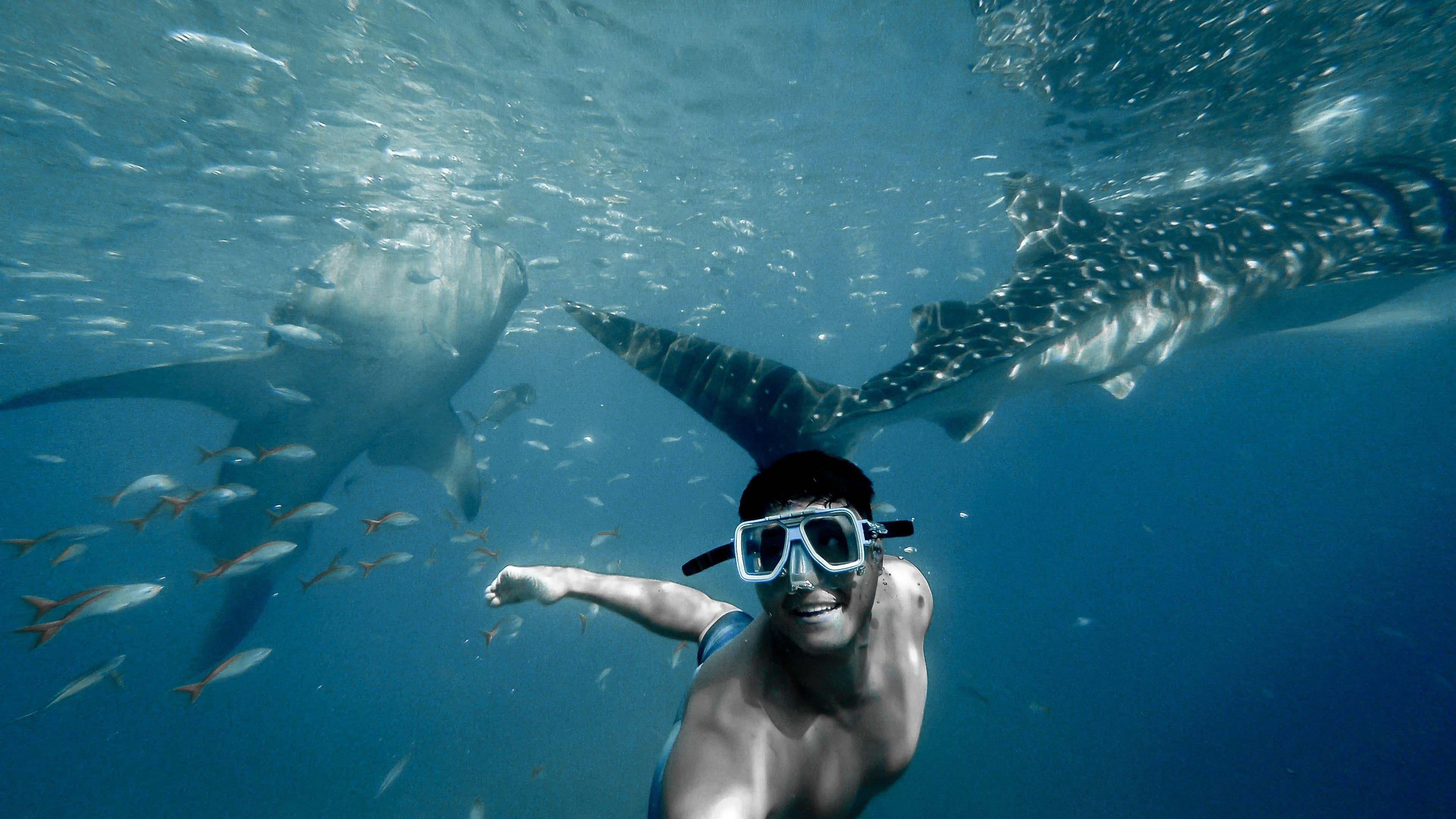
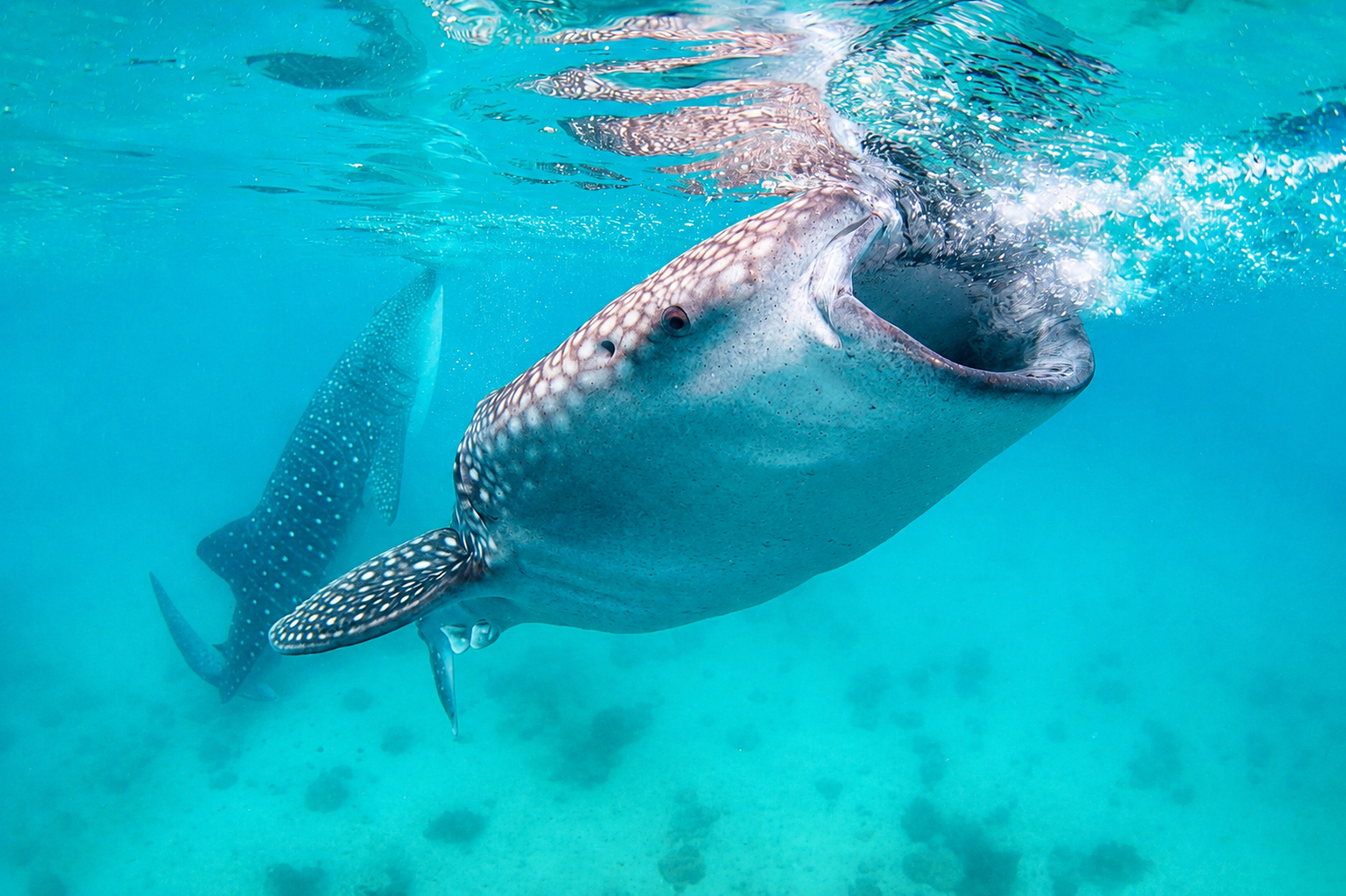
Swim with whale sharks at dawn, then rappel and jump through jungle canyons to tiered waterfalls
Reserve
12 hr
Three of Cebu's most spectacular marine and wildlife encounters combined into one unforgettable day trip
ReservePrices from verified partners. Availability updates in real time at checkout. Free cancellation policies apply where shown.
The landmarks, rooms, and views travelers on this tour remember — all visible on a single visit.
A massive school of millions of wild sardines that swim just meters from the shore at Panagsama Beach. This natural event is famous for its shimmering bait ball formations.
A renowned marine sanctuary featuring vibrant coral gardens and dramatic underwater walls. It offers some of the best visibility for divers in the region.
A specific area known for frequent sightings of sea turtles grazing on seagrass. These creatures are a major highlight for snorkelers and divers.
A unique artificial reef structure that serves as a popular photography spot for divers and freedivers.
They offer distinct marine encounters; most travelers who select a moalboal diving tour prefer the autonomous, high-density sardine run experience over the managed, ship-side wildlife feeding common in Oslob.
| Feature | Top pick Moalboal Diving Tour | Oslob Whale Shark Snorkeling |
|---|---|---|
Primary Wildlife |
Sardine shoals and sea turtles | Whale sharks |
Interaction Style |
Free-roaming observation | Controlled, surface-level proximity |
Travel Time from Cebu City |
3–4 hours by land | 3–4 hours by land |
Environmental Impact |
Low, based on natural biomass | High, due to baiting practices |
Visitor Experience Focus |
Recreational freedom and exploration | Short, scheduled wildlife observation |
| See tickets → |
Verdict: Choose a moalboal diving tour tour for fluid, natural underwater exploration, or select Oslob if you prioritize guaranteed, brief encounters with megafauna via moalboal diving tour tickets.
Choose your ticket, select your date, and reserve in under two minutes. Secure checkout handled by our verified partner.
Instant confirmation by email, with a mobile voucher you can save offline. No printing, no queuing at a collection desk.
Arrive at the entrance, show your voucher on your phone, and walk in. Most tickets include priority or skip-the-line access.
Practical details for your visit straight from our verified partners — hours, access, rules, and how to get there.
Wear comfortable swimwear and a rash guard for sun protection while participating in your moalboal diving tour.
Use lockers available at local dive shops to secure your belongings before starting your moalboal diving tour.
Waterproof cameras are recommended for your moalboal diving tour to capture the sardine run and turtles.
Entry to the water for a moalboal diving tour involves walking over rocky, coral-rich shorelines at Panagsama Beach.
Children must be accompanied by a parent or guardian during any moalboal diving tour.
Numerous seaside restaurants and cafes are located along the Panagsama Road accessible after your moalboal diving tour.
Best time to go, insider tips, nearby landmarks, and the cancellation fine print — flip through to skim what matters to you.
Flexible, no hidden fees.
Snorkeling fees are refunded if activities are suspended due to inclement weather. There are no refunds for transportation services already rendered.
Panagsama Beach became a dive destination in 1982 when a single resort installed compressors and opened Moalboal's coast to recreational divers. Within a decade, the 200-metre stretch hosted eighteen dive centres servicing what marine biologists now recognise as the highest density sardine shoal accessible from shore in Southeast Asia. The baitball — estimated at seven million Sardinella lemuru during peak aggregation months — orbits the house reef between three and twelve metres depth, a living cylinder that bends light and draws jacks, barracuda, and occasional thresher sharks into its margins. A Moalboal diving tour today begins at one of Panagsama's certified operators, where nitrox fills and aluminium-80 tanks are standard issue. The sardine run sits 40 metres offshore; visibility averages 15 metres March through May, dropping to eight during the southwest monsoon. Turtles patrol the Tongo Sanctuary's seagrass beds 200 metres south, where green and hawksbill specimens graze amongst staghorn coral reconstructed after the 2013 Bohol earthquake. Wall dives at Pescador Island — a 20-minute banca crossing — drop vertically to 60 metres, the basalt face colonised by gorgonians and frequented by schooling jacks that form bait balls independent of the mainland shoal. Cebu's west coast dive sites operate on a house-reef model uncommon elsewhere in the Visayas. Shore entries eliminate boat schedules; multilevel profiles allow 70-minute bottom times at recreational depths. The sardine shoal's permanence — documented continuously since 1994 — stems from the Tañon Strait's upwelling patterns, which funnel plankton concentrations toward Panagsama's fringing reef. Underwater photographers favour the 08:00 departure, when oblique sunlight penetrates the schooling mass and silhouettes individual fish against the blue. Dive operators now limit daily entries to preserve the reef's carrying capacity. Environmental fees fund mooring-buoy installations that prevent anchor damage to the 80-hectare marine sanctuary established in 2015. The Moalboal diving tour infrastructure supports year-round access — the Visayas dry season extends visibility, but the sardines remain resident through the wettest months, their density fluctuating with lunar cycles rather than weather patterns.
"Seven million sardines orbit the house reef between three and twelve metres depth, a living cylinder that bends light."
A step-by-step walkthrough of the visit — what you'll see, how long each stage takes, and the details that matter.
You wade from Panagsama's concrete ramp at 07:30, mask flooded once for equalisation, then kick 40 metres offshore where the seafloor drops from sand to coral rubble at four metres. The sardine run appears as a shadow first — a grey smudge that resolves into individual fish only when you descend to eye level with the shoal's lower margin. You hover at six metres, finning slowly into the baitball's centre. Thousands of sardines part around your torso, their silver flanks catching stray sunlight in pulses. A lone trevally cuts through the periphery; the shoal contracts, then resumes its slow rotation. Your guide signals toward the reef wall. You follow the coral slope southeast, depth gauge reading nine metres, and spot a green turtle cropping algae from a table coral. It tolerates your approach to three metres before flexing its flippers and ascending. At Tongo Point, the wall drops vertically. You peer over the edge — the blue below is featureless past 20 metres. Small groupers hide in crevices at 12 metres; a school of fusiliers streams past, heading for open water. Your pressure gauge reads 110 bar; the guide taps their computer and you begin a slow ascent, stopping at five metres for the safety interval while the sardines swirl overhead.
You can plan your moalboal diving tour between 07:00–17:00 daily.
The mandatory environmental user fee for sardine run snorkeling is 100 PHP per person.
We recommend an arrival window of 07:00–09:00 for your moalboal diving tour to enjoy calm water and fewer crowds.
Yes, many centers offer Discover Scuba Diving programs specifically for those without prior certification during a moalboal diving tour.
All activities are centered at Panagsama Beach, Moalboal, 6032 Cebu, Philippines.
Children must be supervised by an adult, but there is no specific lower age limit for surface snorkeling during a moalboal diving tour.
Bring cash, swimwear, a towel, and a waterproof camera for the best experience on your moalboal diving tour.
Registered guides are highly encouraged and often required for the sardine run area during your moalboal diving tour.
The sardines are permanent residents off Panagsama Beach, making them visible year-round for every moalboal diving tour.
Yes, the sardine run is a wild, unbaited natural phenomenon that respects marine conservation guidelines during your moalboal diving tour.